When Every Retirement Decision Feels So Big
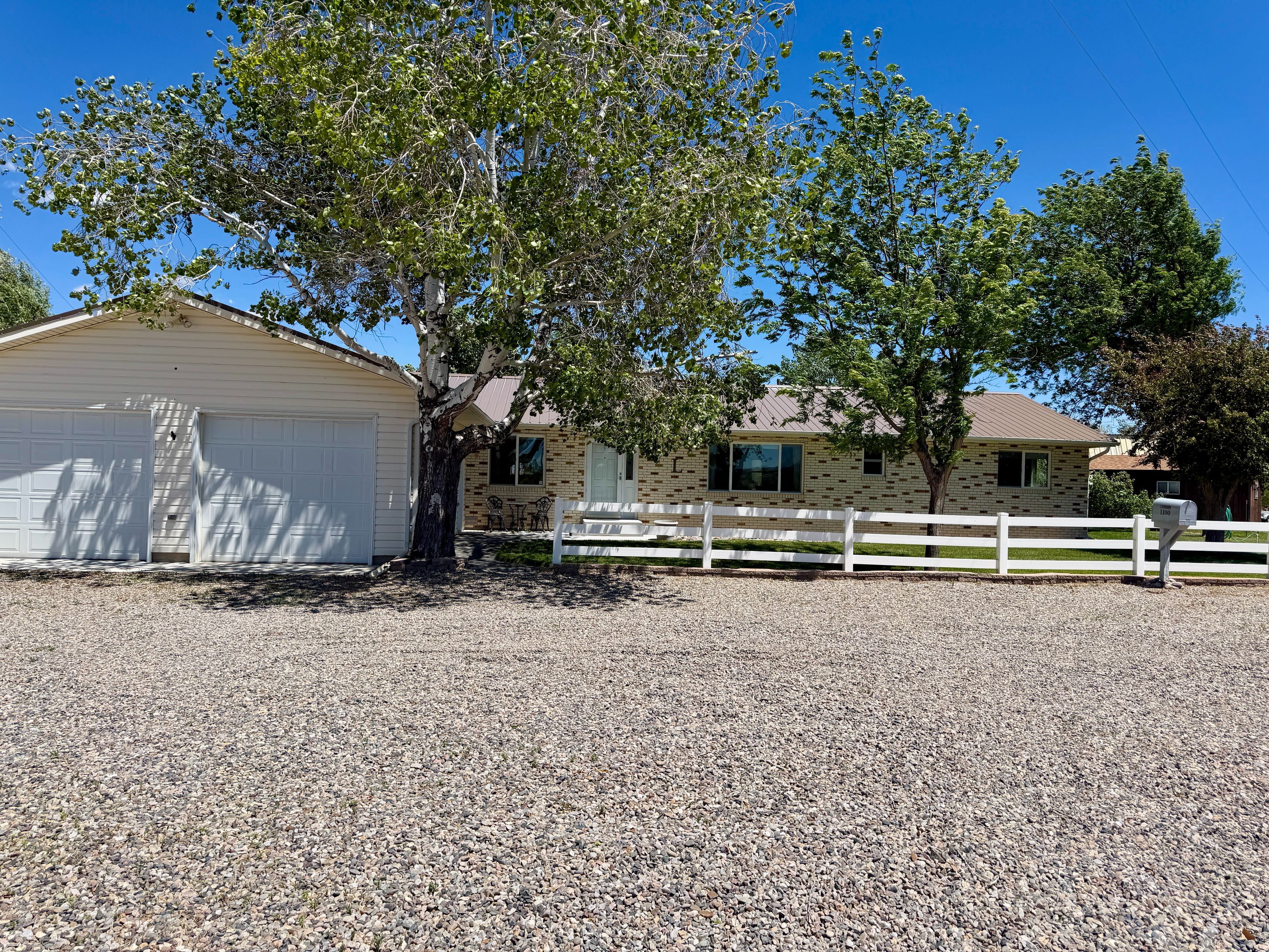
This week we listed our Wyoming home.
When Joe and I moved here five years ago, we thought it would probably be our last home. We poured ourselves into the property, planted gardens, watched storms roll across the fields, celebrated holidays with family, homeschooled a couple of grandsons, and imagined what the years ahead might look like.
Life, of course, had other plans.
Retirement changed us.
Not overnight, but slowly.
As we prepared to list the house, I realized I wasn't just making a real estate decision. I was carrying around the weight of so many other questions.
Are we making the right choice?
Should we spend more time in Arizona?
Should we stay closer to family in Wyoming, or create the flexibility to spend time with family in several places?
Should I work again someday?
How do Joe and I balance our shared dreams with the ways we're different? Different priorities. Different energy. Different seasons of life.
I kept feeling like I needed to get these decisions exactly right.
That surprised me.
For nearly four decades, I made decisions as part of my career. Some affected employees, budgets, communities, and public lands. I always wanted to make thoughtful decisions, but I never expected perfection. If circumstances changed, we learned, adjusted, and moved forward.
Somehow, retirement felt different.
I think I finally understand why.
When you're younger, it feels like you have endless runway. If a decision doesn't work out, you can always change direction later.
Retirement has a way of making your runway feel shorter.
Suddenly every decision feels heavier because you wonder if there's enough time left to recover if you choose poorly.
But over the past few months, something has shifted in my thinking.
I realized I had been assigning permanent importance to temporary decisions.
Then I remembered something I'd said in one of my YouTube videos: I could have thirty more years left.
If that's true, then I still have time to learn.
Time to adjust.
Time to change direction if life changes.
And then another thought followed close behind.
If I really do have thirty more years...
how many of today's decisions will actually matter thirty years from now?
Will anyone remember whether we kept this particular house?
Will my grandchildren remember exactly where Grandma lived?
Probably not.
What they will remember is whether they felt welcome here.
Whether we made time for them.
Whether they felt loved.
That realization didn't make these decisions feel unimportant.
It made them feel lighter.
I've also realized something else.
I don't need confidence that today's decision is perfect.
I need confidence that Joe and I can respond well if life changes.
We've spent twenty years adapting together through unexpected turns, career changes, loss, retirement, and new adventures. Why would I suddenly believe we couldn't navigate whatever comes next?
Joe has a saying that has become one of my favorites:
"Don't pay interest on borrowed trouble."
I've caught myself doing exactly that—spending emotional energy on problems that don't even exist yet.
Maybe someday we'll want something different.
Maybe our priorities will change.
Maybe family needs will change.
If they do, we'll respond then.
But I don't need to live in tomorrow's problems today.
So these days, I'm asking myself a different question.
Not...
"What's the perfect decision?"
But...
"Is this the best next step with what I know today?"
That feels like a much healthier question.
I've spent much of my first year of retirement trying to figure out how to "do retirement right."
Lately I've realized that's the wrong goal.
What I really want is much simpler.
I want to do life well.
To love God.
To love the people He's placed in front of me.
To do good with whatever today holds.
And to trust that tomorrow's decisions can wait until tomorrow.
Maybe that's one of retirement's greatest gifts.
Not that all the answers become clear.
But that we finally learn which questions are worth carrying.